Ecuador farms shrimp at scale along the Guayas estuary and the coast. Here are the US requirements to plan for before your first container.
1. Pick your supplier
Large exporters work with established buyers; smaller packers may accept trial orders. See our top 10 shrimp exporters list. Ask for product specs (head-on, headless, peeled, size count), certifications and a sample.
2. FDA: facility registration and prior notice
Foreign facilities that make, pack or hold food for the US must be registered with FDA. Every food shipment needs Prior Notice filed with FDA before it arrives.
3. FDA: FSVP and seafood HACCP
Under FSMA's Foreign Supplier Verification Programs (FSVP) rule, the US importer must verify that its foreign supplier meets US food safety standards. For seafood, FDA's seafood HACCP rules apply to the processor.
4. NOAA: Seafood Import Monitoring Program (SIMP)
Shrimp is one of the species groups covered by SIMP; compliance for shrimp began on December 31, 2018. The importer of record must report harvest and landing data and keep chain-of-custody records.
5. Customs (CBP)
Use a licensed customs broker to file entry with US Customs and Border Protection.
This is a summary, not legal advice. Always check the current rules with FDA, NOAA and CBP.
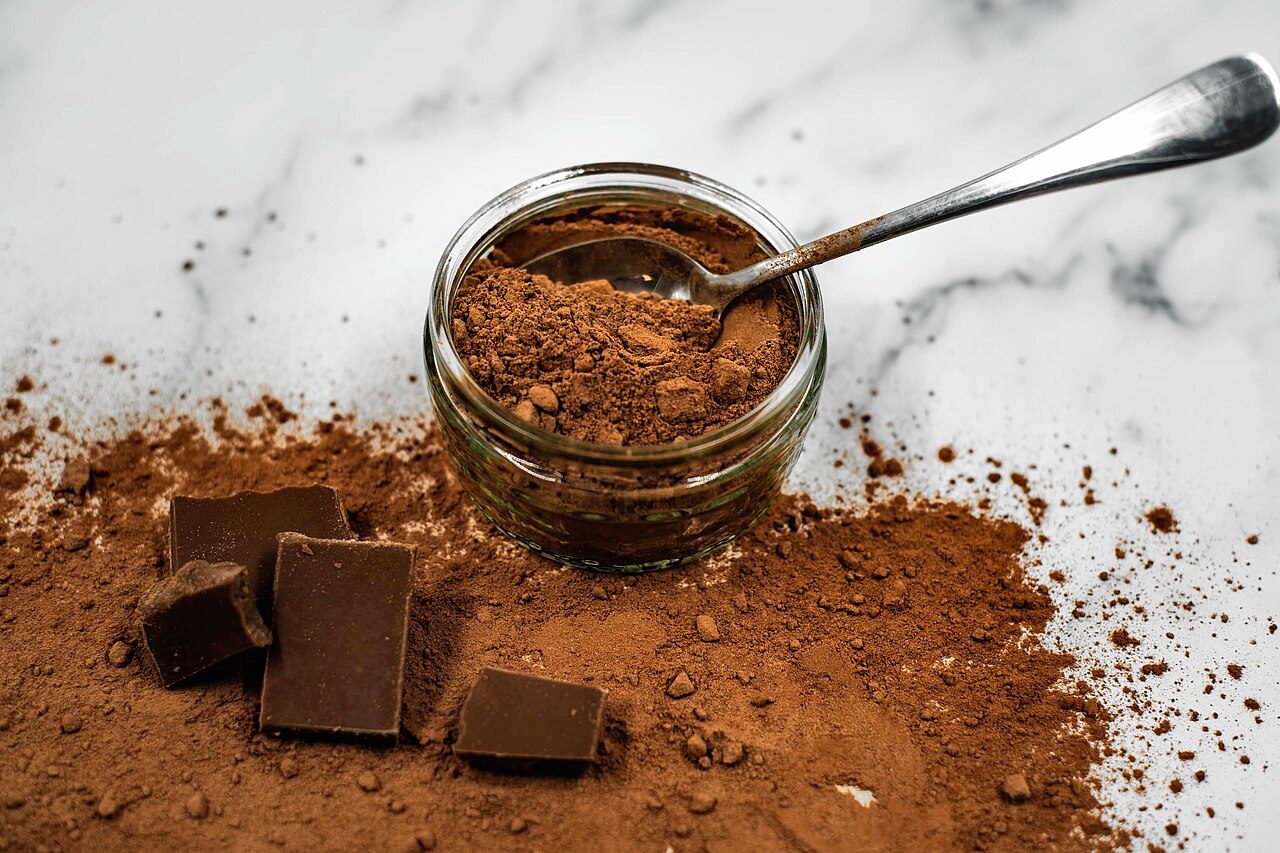 Cacao
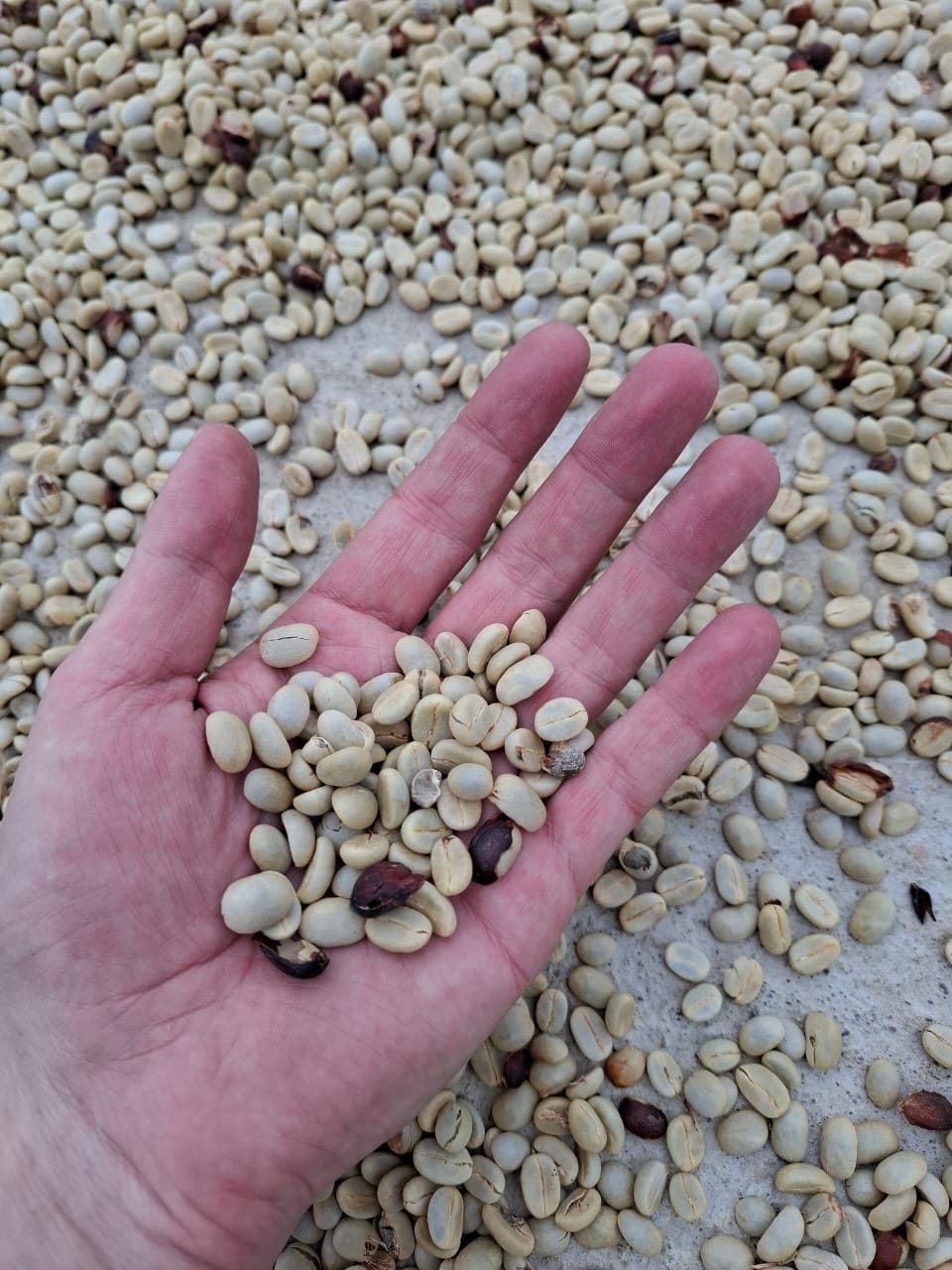 Café
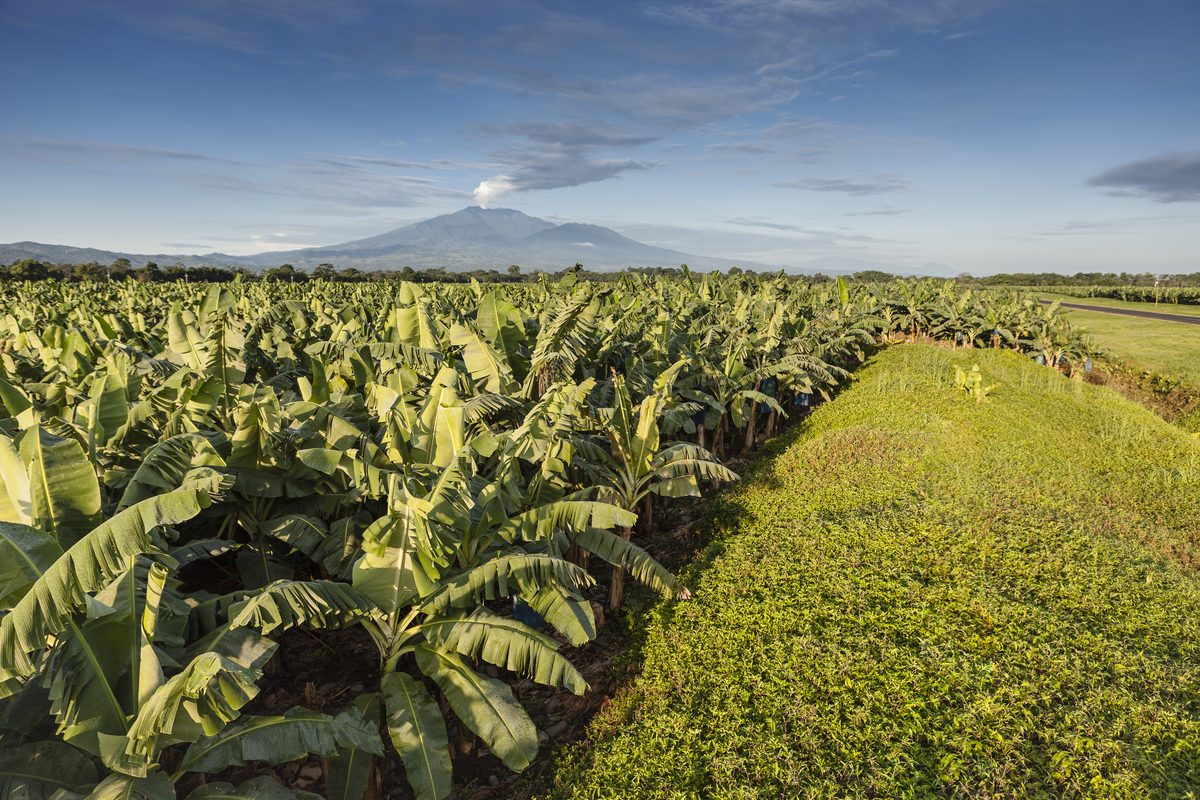 Banano y plátano
 Banano y plátano